Secure Power, Swift Connections
Aiming at the connection requirements of the power industry for high reliability and long-term operation, through high-precision crimping technology and anti-oxidation coating materials, it ensures the stable conductivity and accurate signal transmission of power transmission and transformation equipment in harsh environments such as high voltage, high humidity, salt spray, and strong electromagnetic interference. It improves the reliability of power grid power supply and the response efficiency of the intelligent operation and maintenance system, and helps the safe and efficient operation of the power system.



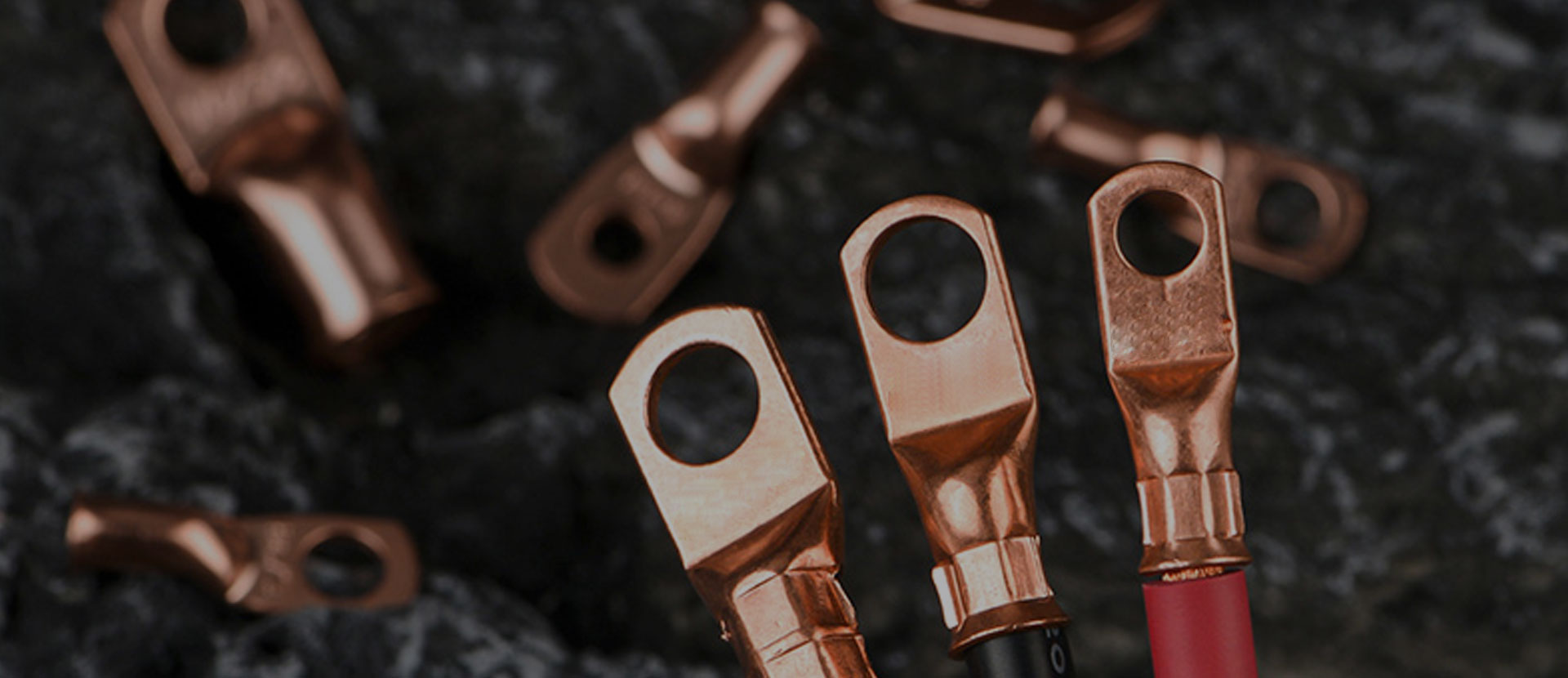
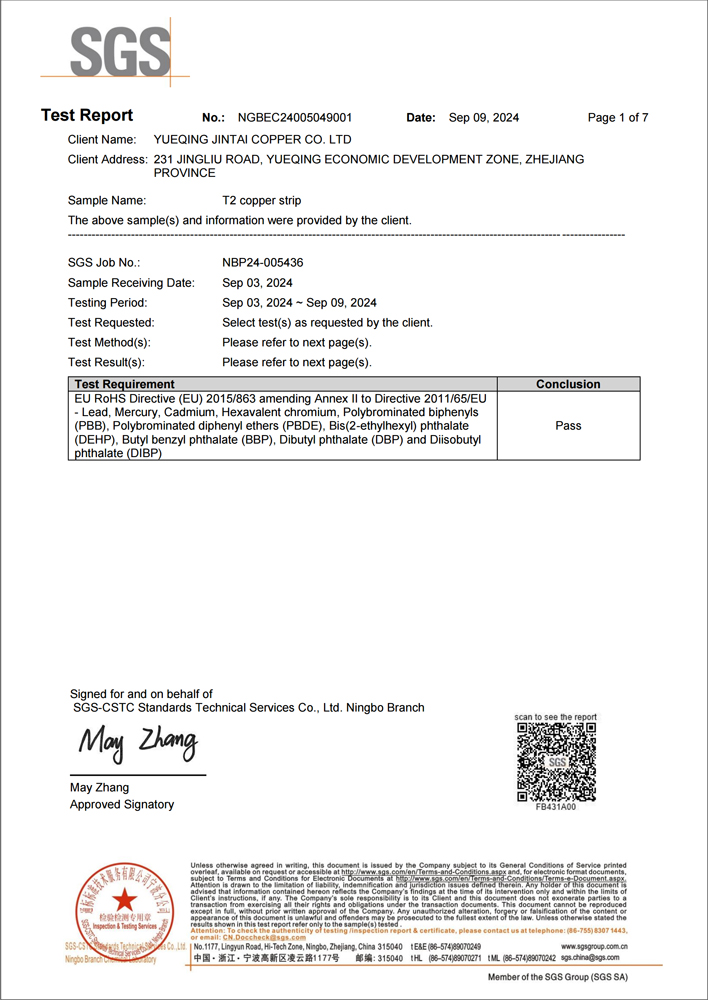
Using T2 purple copper, quality assurance!

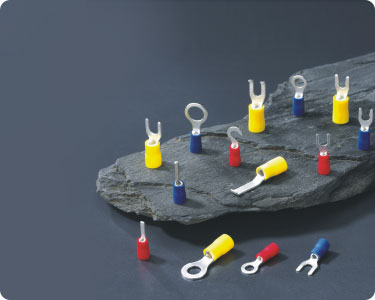
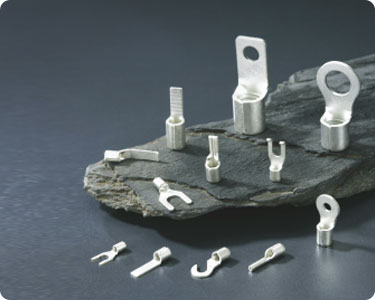
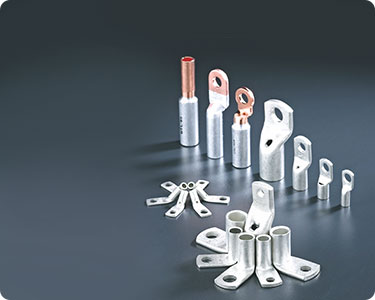
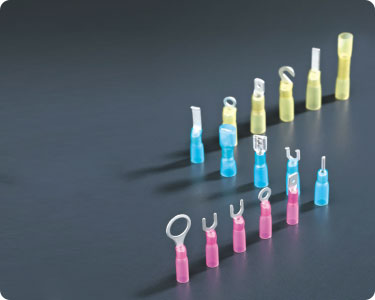
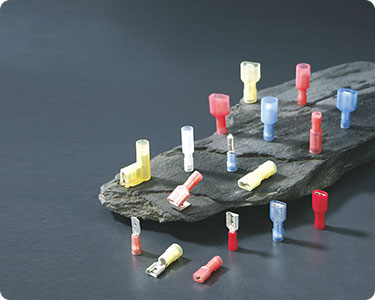
More than 80 series of cold-pressed connectors, electrical power fittings.

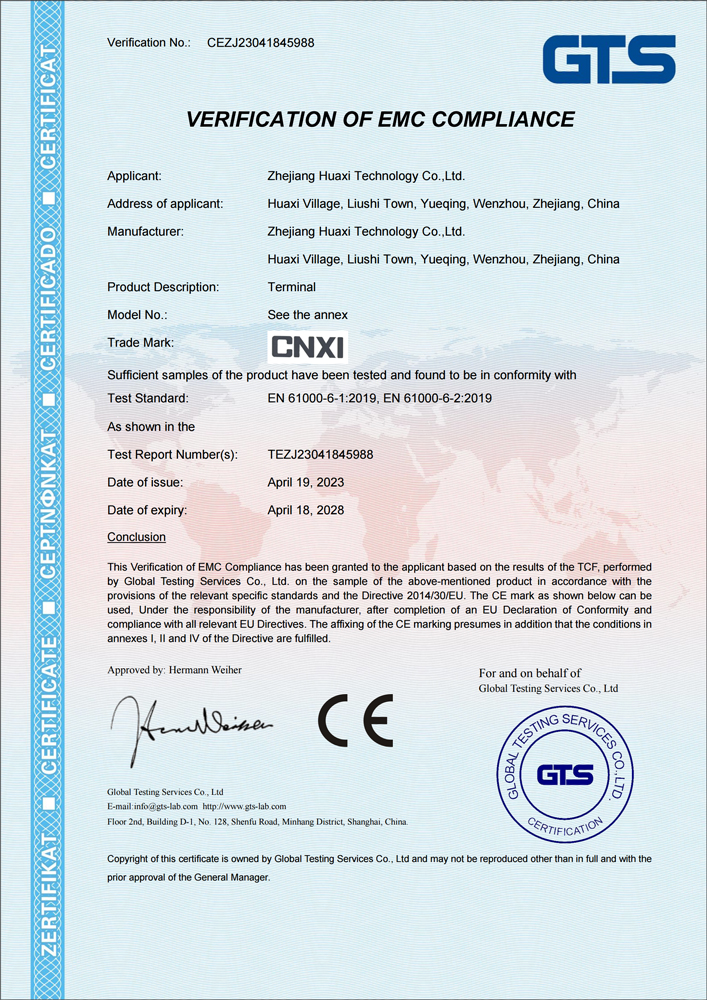
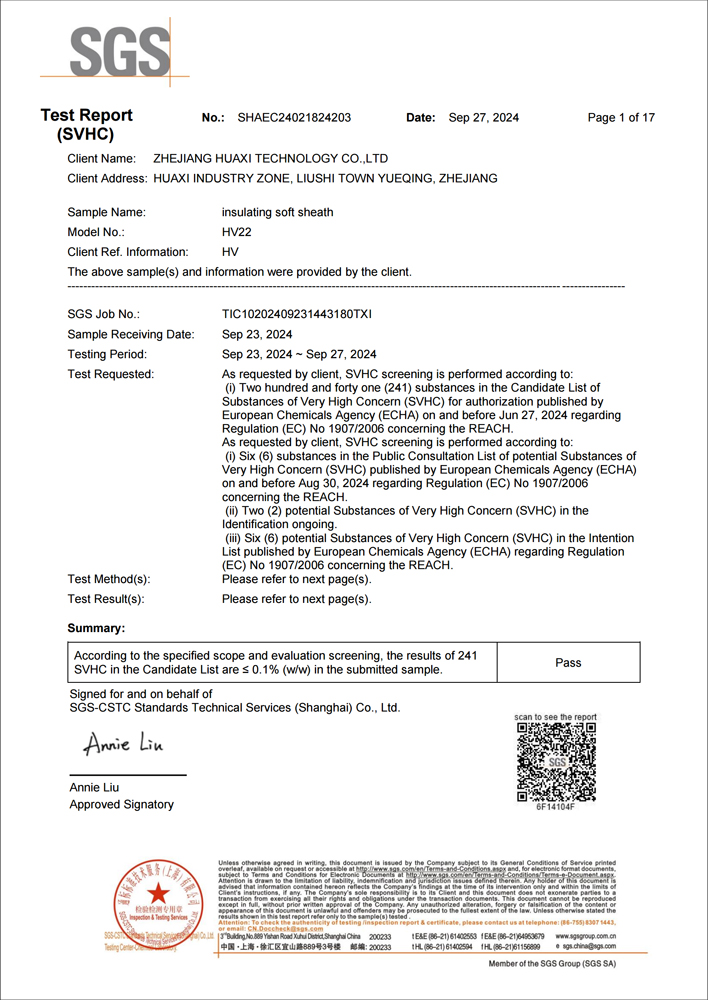
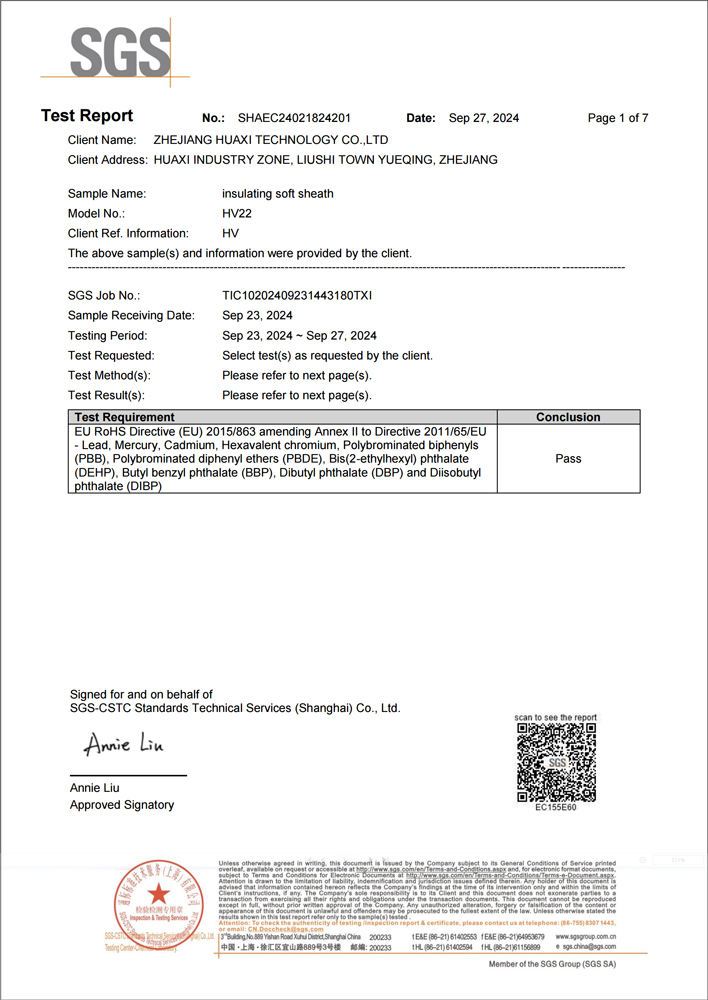
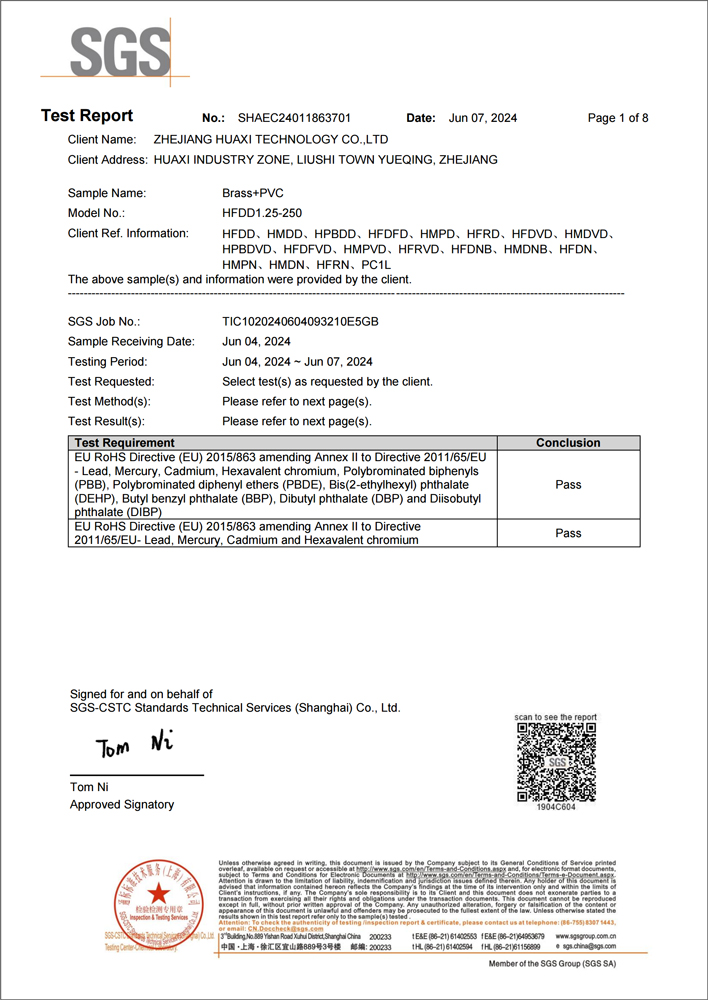
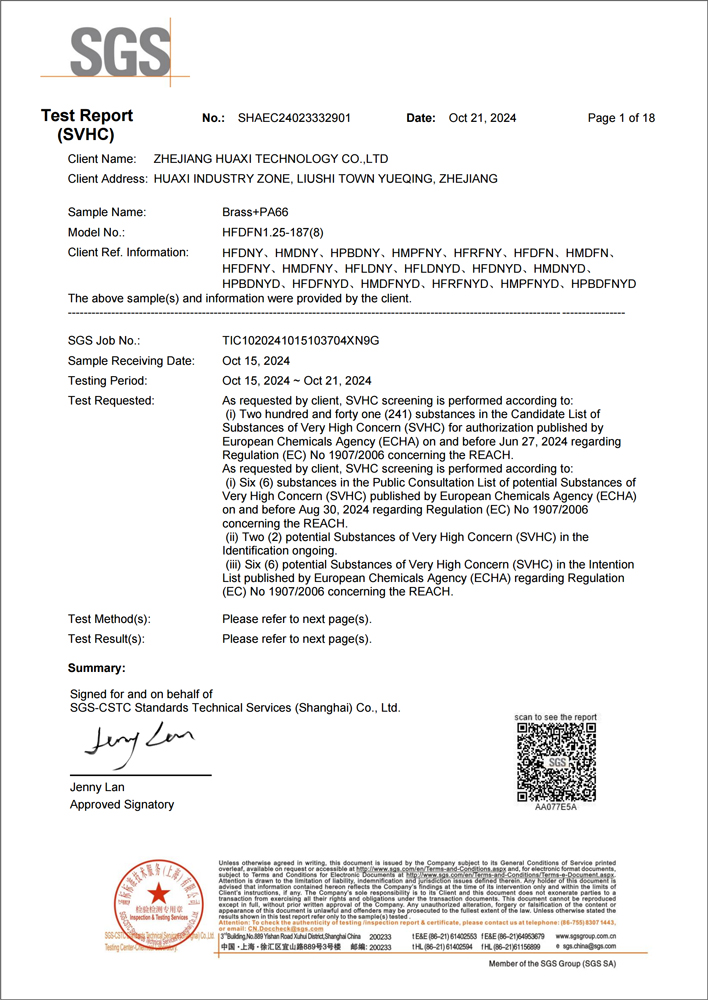
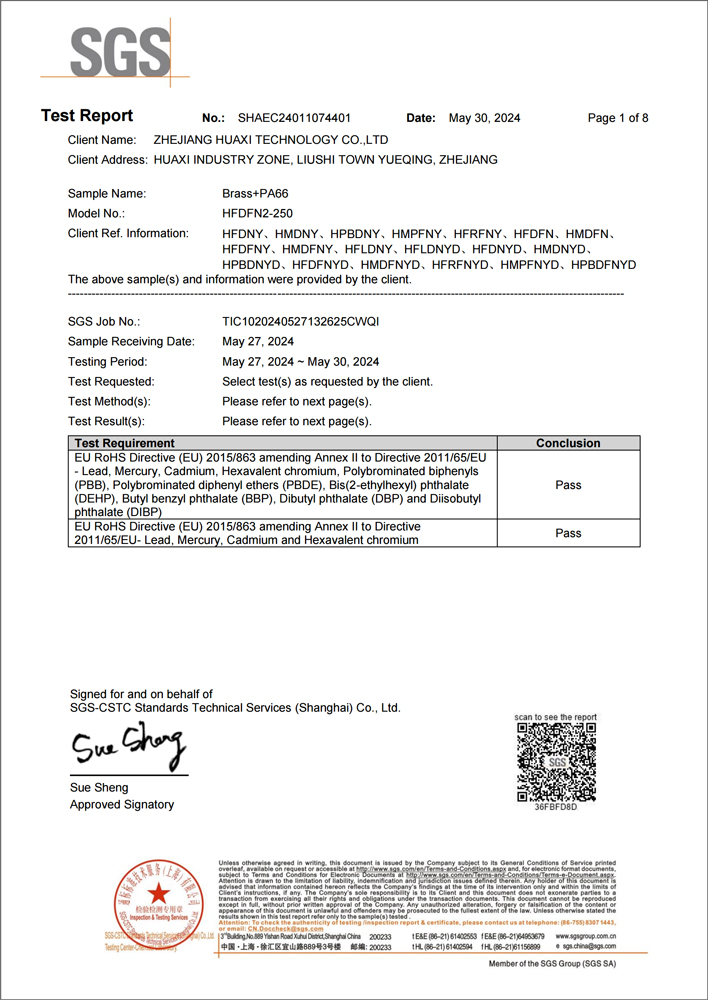
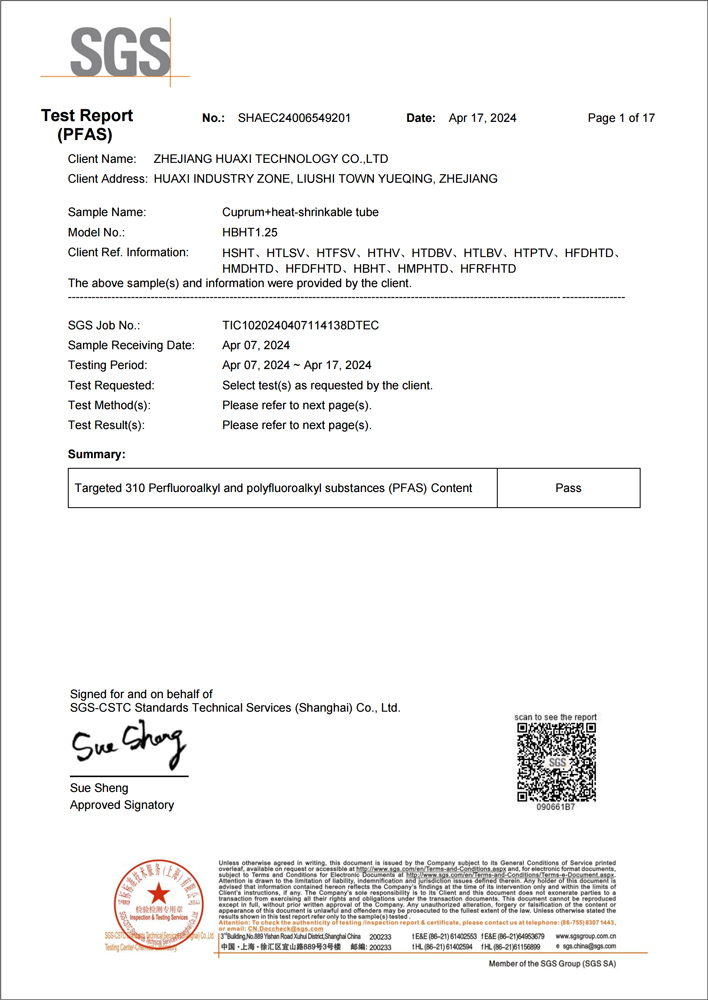
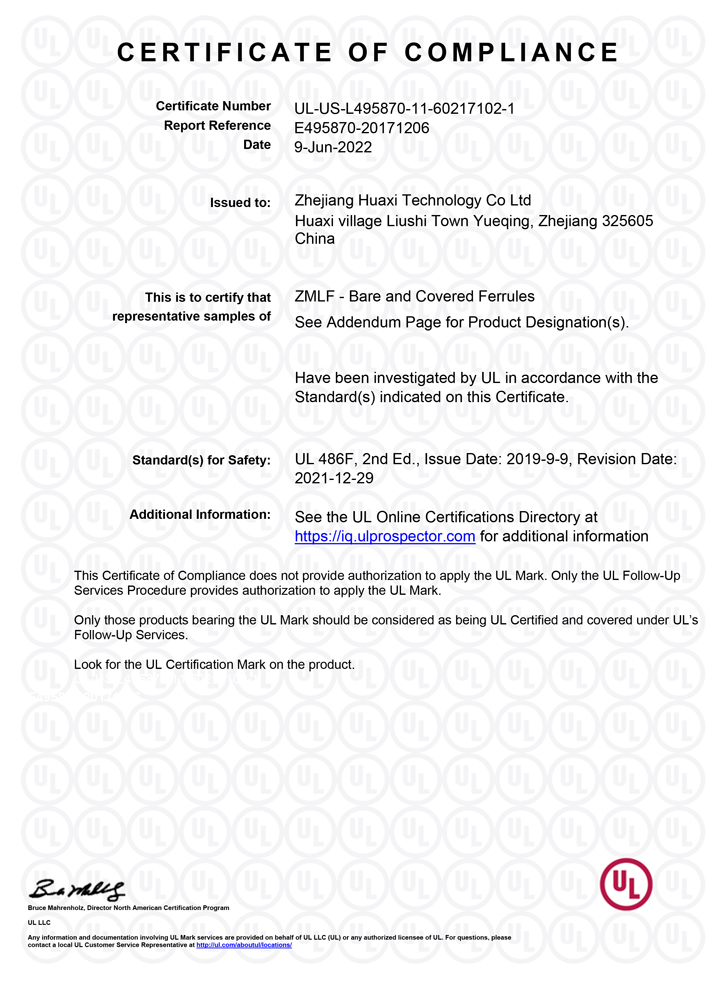
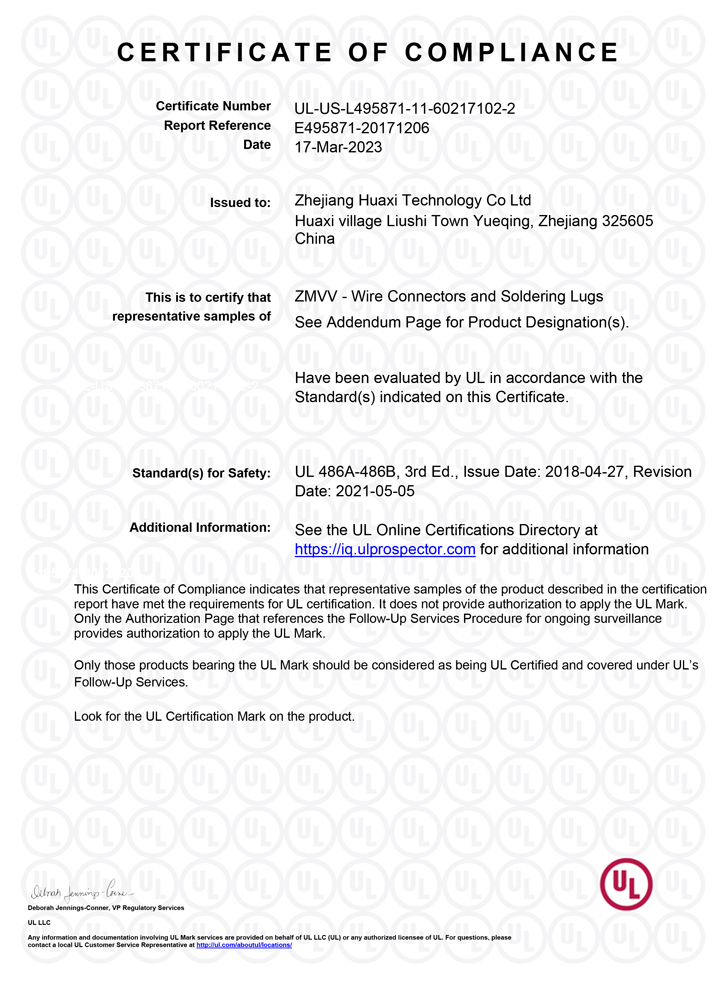
Certificate certification: UL,Rohs, CE, ISO, SGS

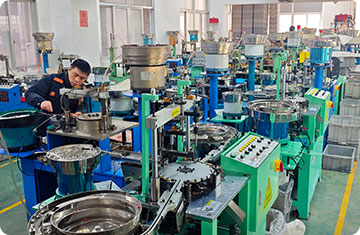
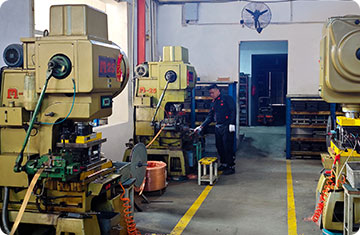
Our company has introduced advanced production equipment and technology.

Professional after-sales service, quick response, and timely help to solve problems for you




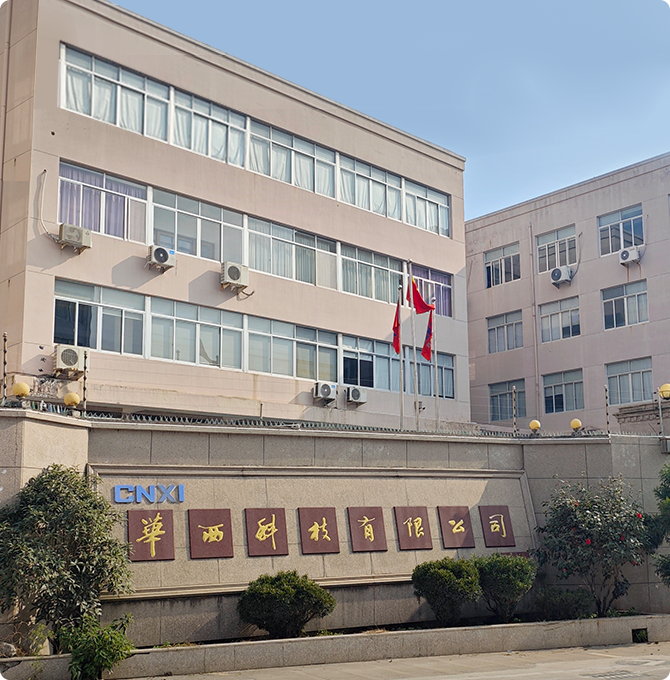
CNXIElectric has a $100 minimum order amount,and we offer sample delivery service.

We provide services for more than 90 listed enterprises, more than 6000 customers at home and abroad, has become more than 10 IPO enterprises in the file supplier
The product quality is really excellent. It's extremely practical that it can be directly replaced during live operation without having to shut down the equipment, which greatly simplifies the maintenance process. Moreover, it can be customized according to our requirements, which is really thoughtful.

The product quality is really excellent. It's extremely practical that it can be directly replaced during live operation without having to shut down the equipment, which greatly simplifies the maintenance process. Moreover, it can be customized according to our requirements, which is really thoughtful.
The product quality is really excellent. It's extremely practical that it can be directly replaced during live operation without having to shut down the equipment, which greatly simplifies the maintenance process. Moreover, it can be customized according to our requirements, which is really thoughtful.
The product quality is really excellent. It's extremely practical that it can be directly replaced during live operation without having to shut down the equipment, which greatly simplifies the maintenance process. Moreover, it can be customized according to our requirements, which is really thoughtful.
The product quality is really excellent. It's extremely practical that it can be directly replaced during live operation without having to shut down the equipment, which greatly simplifies the maintenance process. Moreover, it can be customized according to our requirements, which is really thoughtful.
The product quality is really excellent. It's extremely practical that it can be directly replaced during live operation without having to shut down the equipment, which greatly simplifies the maintenance process. Moreover, it can be customized according to our requirements, which is really thoughtful.