Secure Power, Swift Connections
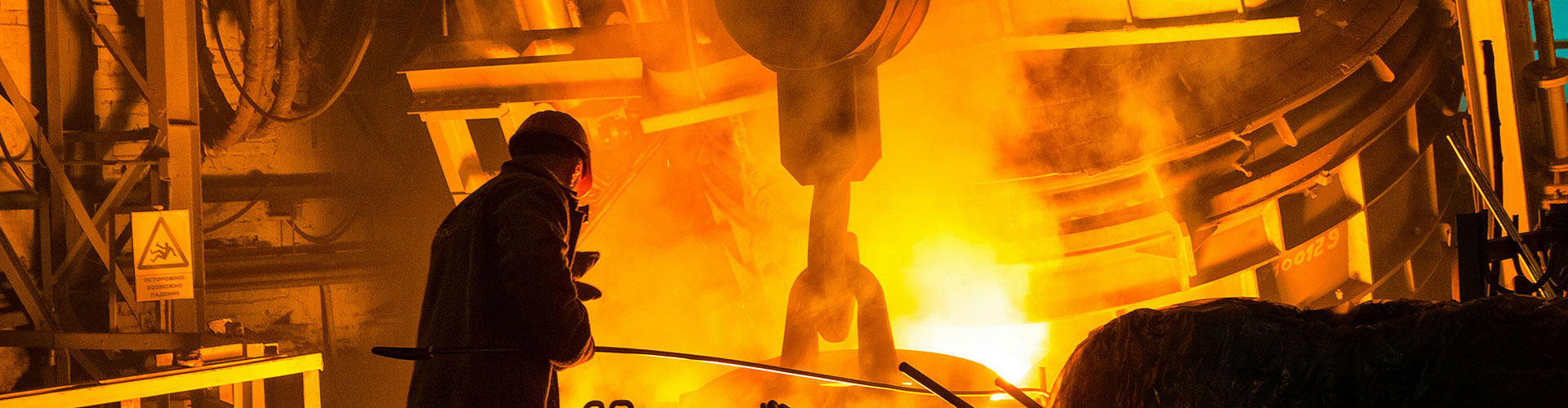
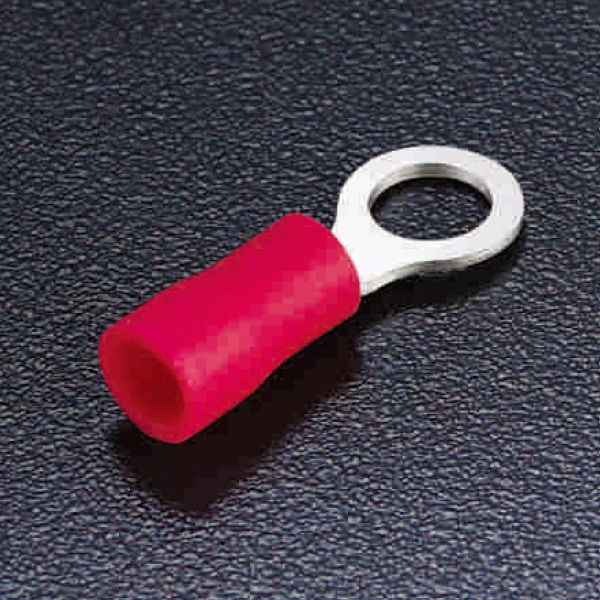
In the metallurgical field, terminal blocks must adapt to high temperatures, dust, vibration, and corrosive environments. Solutions can be developed around four core dimensions: material selection, processing technology, performance optimization, and quality inspection:

Highly conductive and heat-resistant copper alloys (such as brass C3604 and phosphor bronze C5191) are preferred, with conductivity exceeding 50% IACS and tensile strength ≥ 300 MPa, enabling them to withstand operating temperatures above 150°C common in metallurgical equipment. For highly corrosive scenarios (e.g., hydrometallurgy), nickel plating (thickness ≥ 5μm) or tin plating (thickness ≥ 8μm) is applied to enhance salt spray resistance to over 500 hours. Terminals in high-temperature areas use silver-clad copper, with oxidation resistance up to 300°C.

The terminal body is manufactured using cold heading forming to reduce internal material stress, ensuring structural precision (tolerance ≤ ±0.02mm). Threads are formed via rolling to avoid strength loss from cutting, achieving a thread precision of 6g. For high-current terminals (≥100A), integrated forging eliminates welding seams, reducing contact resistance to ≤ 10mΩ.

eat treatment (e.g., aging treatment for copper alloys) increases terminal hardness to HV120-150, enhancing vibration resistance (meeting IEC 60068-2-6 standard for 10-500Hz vibration testing). Contact surfaces undergo ultrasonic cleaning and passivation to remove oxides and impurities, ensuring a plug-in lifespan of ≥ 5000 cycles. For dusty environments, terminal housings feature IP65 sealing with silicone gaskets to block contaminants.

Raw materials undergo spectral analysis to verify composition (e.g., copper purity ≥ 99.9%). Post-processing tests include salt spray testing and temperature rise testing (temperature rise ≤ 60K under current load). Finished products undergo vibration and impact testing simulating metallurgical conditions (complying with IEC 60068-2-27) and X-ray flaw detection to check for internal cracks, ensuring a per-batch qualification rate of ≥ 99.5%. These solutions ensure stable electrical conduction and signal transmission of terminal blocks in metallurgical equipment (e.g., smelting furnaces, rolling mills, conveyor systems) and reduce maintenance frequency by over 30%.
In our blast furnace control system, the selected terminal blocks, from the high-conductivity copper alloy used in materials to the high-precision structure ensured by processing technology, are fully suitable for the harsh environment of high temperature and strong vibration. After more than a year of operation, they have maintained stable performance, with contact resistance always at an extremely low level. This has reduced downtime and maintenance caused by connection problems by at least 35%, providing a strong guarantee for production continuity. We will consider cooperating again in subsequent new projects.
The terminal blocks used in the hydrometallurgical production line have shown amazing corrosion resistance due to the nickel plating process. In the environment of highly corrosive electrolyte vapor, after 8 months, there has been no poor contact caused by rust. Moreover, the plugging and unplugging operation of the terminals is convenient, which greatly saves time during equipment maintenance. Their quality and design fully meet the needs of our complex working conditions and are worthy of recommendation.
Cooperating with [Zhejiang Huaxi Electric Technology Co., Ltd. ] to develop a new electrical connection scheme for rolling mill equipment, the service from pre-communication to product delivery is very professional and efficient. The provided terminal blocks not only achieve good performance optimization, enhancing vibration resistance through heat treatment, but also strictly control the quality inspection link, ensuring stable and reliable quality of each batch of products. They have helped us shorten the equipment research and development cycle and improve product competitiveness, and we look forward to long-term cooperation.
The purchased general-purpose terminal blocks are easy to install and compatible with various equipment of ours. Although the price is relatively affordable, the materials and craftsmanship are not perfunctory. In the daily working environment with high temperature and much dust, the connection is firm without loosening or short-circuit problems. In addition, the technical guidance provided by the manufacturer is timely and effective, solving some doubts in our use. The cost performance is extremely high, and we will continue to purchase.