Secure Power, Swift Connections

The production environment in the chemical industry can be described as a "severe test site" for terminal blocks. Corrosive media such as ammonia and chlorine pervade the air, high-temperature distillation alternates with frequent flushing, and there are dual constraints of explosion-proof and cleanliness standards. Ordinary terminals often have frequent problems such as corrosion, aging or leakage in such environments, becoming potential hidden dangers to production safety.

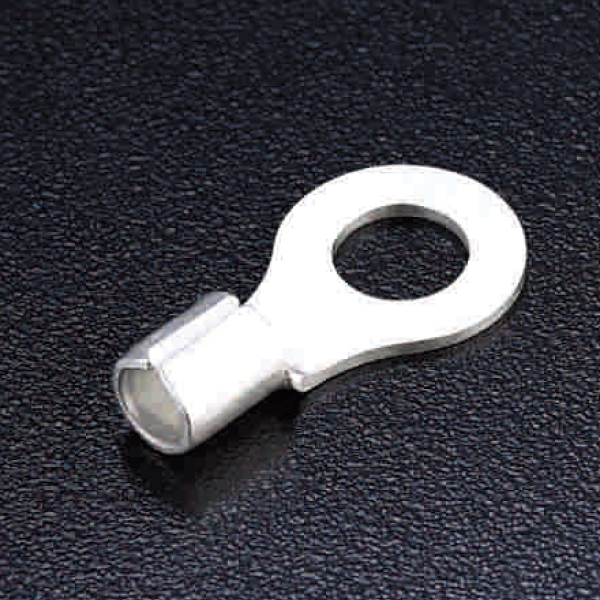
High-purity H62 brass is used as the base material, with the surface undergoing multi-layer electroplating: a 5μm nickel underlayer to enhance adhesion, a 3μm palladium-nickel alloy middle layer to resist acids and alkalis, and a 0.2μm gold top layer to improve conductivity. For scenarios frequently exposed to chlorine, sulfur, and other media, 316 stainless steel terminals are selected, which form an oxide film through passivation treatment, achieving a salt spray resistance of over 1000 hours, suitable for acid-base storage tanks, reaction kettles, and other equipment.

High-purity H62 brass is used as the base material, with the surface undergoing multi-layer electroplating: a 5μm nickel underlayer to enhance adhesion, a 3μm palladium-nickel alloy middle layer to resist acids and alkalis, and a 0.2μm gold top layer to improve conductivity. For scenarios frequently exposed to chlorine, sulfur, and other media, 316 stainless steel terminals are selected, which form an oxide film through passivation treatment, achieving a salt spray resistance of over 1000 hours, suitable for acid-base storage tanks, reaction kettles, and other equipment.

An IP67 overall sealing structure is adopted, with fluororubber sealing rings (chemically corrosion resistant) at terminal interfaces, combined with thread-locking connections to prevent liquid chemicals from infiltrating. The wiring cavity is filled with epoxy resin potting compound to form secondary protection, ensuring no leakage failures in scenarios with frequent spray cleaning or condensation (such as cleaning sections).

Terminal designs comply with explosion-proof standards such as ATEX and IECEx. A reinforced insulation layer (thickness ≥1mm) is set between metal components and plastic shells to avoid electrostatic sparks. A misinsertion prevention structure (keyway guidance) is adopted to prevent short circuits caused by wrong wiring. Each batch of products passes the withstand voltage test (AC 2500V for 1min) and ground continuity test, adapting to the strict safety requirements of chemical explosion-proof areas.
Terminals in the reactor area were frequently replaced due to ammonia corrosion. After switching to 316 stainless steel terminals with palladium-nickel plating, they have operated for 18 months without rust. The multi-layer electroplating process has strong corrosion resistance, and combined with IP67 sealing, the insulation performance remains stable even in the fertilizer dust environment. The failure rate has dropped by 90%, significantly reducing downtime and maintenance costs.
The temperature in the solvent distillation workshop often exceeds 180°C, and the plastic shells of the original terminals were prone to aging. The new terminals use high-temperature resistant nylon 66 shells and silver-clad copper conductors. After half a year of high-temperature testing, there is no deformation or poor contact, and the insulation resistance remains ≥100MΩ. They are reliable and suitable for the harsh environment of high-boiling solvent production.
The chlorine concentration around the electrolyzer is high, and the previous terminals were corroded in 3 months. After adopting H62 brass terminals with a gold-plated surface, the salt spray resistance reaches 1200 hours, and there is no oxidation at the wiring. The fluororubber seal also effectively prevents chlorine leakage. There has been no short circuit for a year, ensuring the continuous operation of the electrolysis system.
The clean workshop requires frequent flushing, and the original terminals often short-circuited due to water ingress. The new terminals' epoxy resin potting and thread locking design have excellent waterproof effect, with no leakage during cleaning. The anti-misinsertion structure also avoids wiring errors, meeting GMP certification requirements. The user experience far exceeds expectations.