Secure Power, Swift Connections
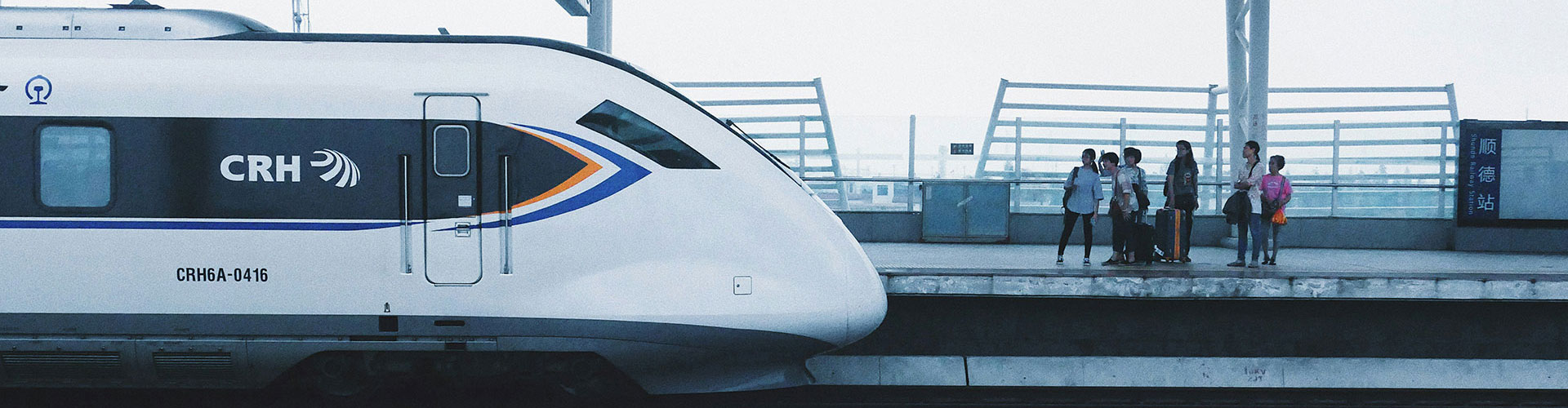
With the rapid development of railway transportation, terminal blocks, as core components of electrical connections, directly affect the safety and stability of train operations. The railway environment features strong vibrations, large temperature differences, and high dust levels, imposing strict requirements on the reliability and environmental resistance of terminal blocks. The following elaborates on specialized solutions for terminal blocks in the railway sector based on core needs, providing support for the safe and efficient operation of railway electrical systems.

Targeting high-frequency vibration scenarios in railways, a spiral crimping structure and anti-loose nut design are adopted to ensure no loosening of wire connections. The terminal body is made of high-conductivity copper alloy, with a nickel-plated surface to enhance corrosion resistance and conductive performance. Wide temperature range materials (-40℃ to 125℃) are selected to adapt to trains' operation needs in extreme environments such as severe cold and intense heat. Each terminal undergoes rigorous verification including vibration tests and temperature rise tests to ensure trouble-free long-term operation.

Terminal solutions are customized according to different railway system requirements: high-current terminals are used in traction systems to meet high-power transmission; high-density miniature terminals are selected for signal systems to save installation space; plug-in terminals are adopted in carriage interior circuits for convenient later maintenance. For outdoor environments of trackside equipment, waterproof and dustproof enclosures (IP67 grade) are equipped to prevent rainwater and dust intrusion. Flexible combination of different terminal specifications is achieved through modular design.

Intelligent monitoring functions are integrated, with temperature sensors and micro-current detection modules embedded in terminals to real-time monitor temperature and current changes at connection points. Data is wirelessly transmitted to the train control system, which automatically alarms when abnormalities such as overheating or poor contact occur. Digital identification technology is adopted, with QR codes recording terminal model, installation time, maintenance records and other information, supporting rapid traceability via mobile devices and improving operation and maintenance efficiency and fault troubleshooting speed.

Strictly following railway industry standards (such as EN 45545), insulation materials with UL94 V-0 flame retardant rating are selected to reduce fire risks. A double insulation protection structure is set up to avoid short circuit and leakage hazards. Insulation partitions and grounding terminals are equipped in terminal installation areas to achieve electrical isolation and safe grounding. A full-life cycle quality traceability system is established, with records from raw material procurement to finished product delivery, ensuring each batch of terminals meets safety certification requirements and building a solid defense for railway circuit safety.

We have fully adopted this series of terminal blocks in our new high-speed EMU projects. After over two years of operational verification on railway lines, their performance has exceeded expectations. Despite continuous vibration and temperature fluctuations ranging from -30℃ to 60℃, the terminals have maintained stable connections without any loosening or poor conductivity issues. The nickel-plated surface effectively resists corrosion from the humid environment in the engine room, and the customized installation scheme has also improved wiring efficiency by 30%, making them a trustworthy core component.
In the railway signal system upgrade project, this high-density terminal block solved our space problem. With dense wiring in signal cabinets, the miniaturized design of the terminals saves 40% of installation space, and the plug-in structure halves the maintenance time during later overhauls. The waterproof terminal blocks used in outdoor trackside equipment maintain zero signal interruption even in heavy rain and sandstorms, fully meeting the high reliability requirements of railway signal systems.
The safe operation of passenger trains relies on reliable electrical connections, and this intelligent monitoring terminal block makes our operation and maintenance more secure. Through the real-time temperature monitoring function, we successfully warned of two potential wiring overheating hazards. The QR code traceability system enables full-life cycle management, improving fault detection efficiency by 60%. During high-intensity operations with an average daily running time of 16 hours, the terminals have always operated stably, providing solid support for train safety.
We have insisted on using this brand of terminal blocks in the electrical construction of multiple new railways. They strictly comply with the EN 45545 railway safety standard, with flame-retardant insulation materials passing fire safety tests, and the double insulation design completely eliminates the risk of electric leakage. In the installation of complex environments such as tunnels and bridges, the terminals have shown excellent corrosion resistance and structural strength. All electrical connection indicators reached excellent levels during acceptance, greatly enhancing the quality of railway projects.